
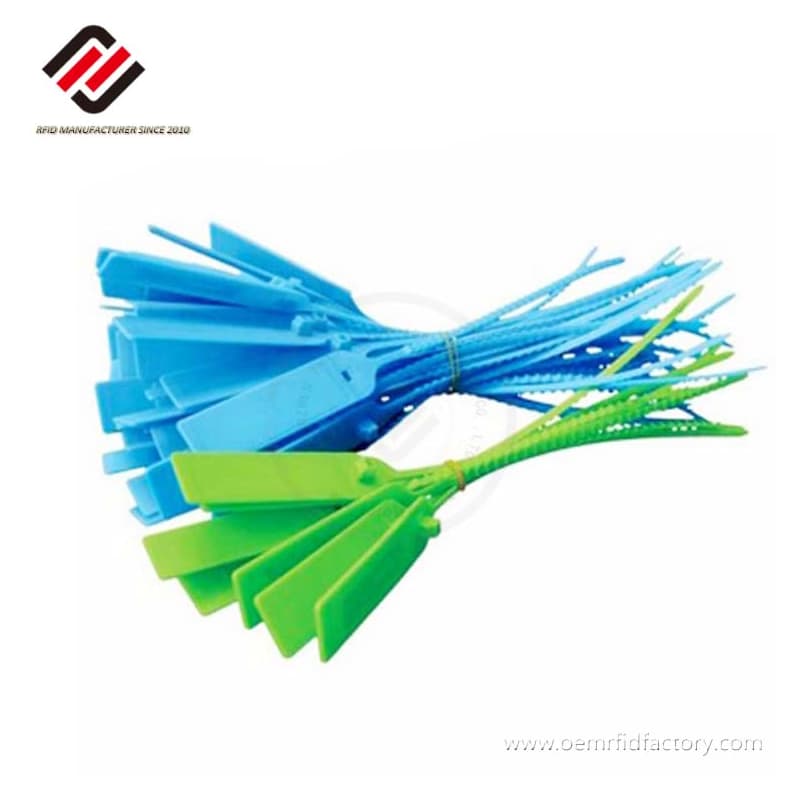
Vous utilisez unétiquette de collier de serrage RFID pour suivre les objets. Cela vous aide à retrouver rapidement les articles en logistique et dans le suivi des actifs. Les étiquettes de colliers de serrage RFID offrent un bon suivi et facilitent la gestion. Ces étiquettes possèdent différentes fonctionnalités, comme les bandes de fréquence et leur robustesse. Choisir la bonne étiquette vous apporte plus d’aide selon vos besoins. Vous pouvez choisir des étiquettes adaptées à votre travail et à votre environnement pour obtenir les meilleurs résultats.
Aperçu de la technologie RFID
Comment la RFID fonctionne dans les étiquettes de colliers de serrage
Vous pouvez utiliser la technologie RFID pour suivre et gérer des articles facilement. Chaque étiquette de collier de serrage RFID contient une petite puce et une antenne. Lorsque vous attachez l’étiquette à un objet, vous lui donnez une identité unique. Un lecteur RFID envoie des ondes radio. L’étiquette reçoit ces ondes et renvoie ses informations. Vous n’avez pas besoin de voir l’étiquette pour la lire. Cela rend la RFID très utile dans les endroits où vous ne pouvez pas utiliser de codes-barres.
Vous pouvez utiliser les étiquettes de colliers de serrage RFID de nombreuses façons. Par exemple, vous pouvez suivre des outils, des équipements ou même des animaux. Vous pouvez aussi les utiliser dans les entrepôts pour compter rapidement les articles. Le système RFID vous aide à gagner du temps et à réduire les erreurs. Vous pouvez scanner de nombreuses étiquettes en même temps, ce qui accélère votre travail.
Pourquoi les fonctionnalités RFID sont importantes
Vous devez examiner les fonctionnalités des étiquettes de colliers de serrage RFID avant d’en choisir une. La bande de fréquence est importante. Certaines étiquettes utilisent la basse fréquence, d’autres la haute fréquence, et d’autres encore l’ultra-haute fréquence. Chaque type fonctionne mieux dans des environnements différents. Par exemple, les étiquettes basse fréquence fonctionnent bien près du métal ou de l’eau. Les étiquettes haute fréquence sont adaptées aux utilisations à courte portée. Les étiquettes ultra-haute fréquence offrent une portée de lecture plus longue.
Durabilité est une autre fonctionnalité clé. Vous pouvez avoir besoin d’étiquettes capables de résister à la pluie, à la chaleur ou aux manipulations brutales. Certaines étiquettes de colliers de serrage RFID sont étanches ou conçues pour une utilisation en extérieur. La sécurité est également importante. Certaines étiquettes disposent d’une détection d’effraction. Si quelqu’un essaie de retirer l’étiquette, vous le saurez.
Vous devez adapter les fonctionnalités de l’étiquette à vos besoins. Cela vous aide à obtenir les meilleurs résultats de la technologie RFID.
Types d'étiquettes de colliers de serrage RFID
Vous pouvez trouver de nombreux types d’étiquettes de colliers de serrage RFID. Chaque étiquette possède des fonctionnalités uniques qui vous aident dans le suivi et la gestion des actifs. Vous devez connaître les différences afin de choisir la meilleure étiquette pour votre application.
Étiquettes de colliers de serrage RFID LF
LF signifie basse fréquence. Les étiquettes de colliers de serrage RFID LF utilisent une bande de fréquence d’environ 125 kHz. Vous pouvez utiliser ces étiquettes pour suivre des objets près du métal ou de l’eau. Les étiquettes LF fonctionnent bien dans des environnements difficiles. Vous obtenez des performances fiables même lorsque vous fixez l’étiquette sur des outils métalliques ou des surfaces humides. Les étiquettes LF ont une courte portée de lecture, généralement jusqu’à 10 centimètres. Vous pouvez les utiliser pour le contrôle d’accès ou l’identification animale.
Étiquettes de colliers de serrage RFID HF
HF signifie haute fréquence. Les étiquettes de colliers de serrage RFID HF utilisent une bande de fréquence de 13,56 MHz. Vous pouvez utiliser ces étiquettes pour suivre des objets dans les bibliothèques, les hôpitaux ou les bureaux. Les étiquettes HF offrent une meilleure vitesse de transfert de données que les étiquettes LF. Vous obtenez une portée de lecture allant jusqu’à 1 mètre. Les étiquettes HF prennent en charge des fonctionnalités de sécurité comme le chiffrement. Vous pouvez les utiliser pour les systèmes de paiement ou les cartes intelligentes.
Étiquettes RFID UHF
UHF signifie ultra-haute fréquence. Les étiquettes RFID UHF utilisent une bande de fréquence de 860 MHz à 960 MHz. Vous pouvez utiliser ces étiquettes pour suivre des objets dans les entrepôts, la logistique et les chaînes d’approvisionnement. Les étiquettes UHF offrent une longue portée de lecture, parfois jusqu’à 10 mètres. Vous pouvez scanner de nombreuses étiquettes en même temps. Les étiquettes UHF fonctionnent bien pour le suivi des actifs et la gestion des stocks. Vous pouvez les utiliser en extérieur car elles résistent à des conditions difficiles.
| Type d'étiquette | Bande de fréquence | Portée de lecture | Caractéristiques principales | Applications courantes |
| LF | 125 kHz | Jusqu'à 10 cm | Fonctionne près du métal/de l’eau | Contrôle d'accès, identification animale |
| HF | 13.56 MHz | Jusqu'à 1 m | Sécurité, données rapides | Bibliothèques, hôpitaux |
| UHF | 860-960 MHz | Jusqu'à 10 m | Longue portée, lecture en masse | Entrepôts, logistique |
Serre-câbles RFID à détection de sabotage
Vous pouvez utiliser des serre-câbles RFID à détection de sabotage lorsque vous avez besoin d'une sécurité supplémentaire. Ces étiquettes ont des fonctionnalités spéciales qui vous alertent si quelqu'un essaie de retirer ou de casser l'étiquette. Vous pouvez les utiliser pour suivre des actifs de valeur ou des articles sensibles. Les étiquettes à détection de sabotage vous aident à prévenir le vol et les accès non autorisés. Vous obtenez une tranquillité d'esprit en sachant que vos articles restent en sécurité.
Serre-câbles RFID robustes et étanches
Vous avez besoin de serre-câbles RFID robustes pour les environnements difficiles. Ces étiquettes sont fabriquées avec des matériaux solides qui résistent aux chocs, à la chaleur et aux produits chimiques. Vous pouvez utiliser des serre-câbles RFID étanches pour le suivi en extérieur. Les étiquettes robustes ont souvent des indices IP élevés, comme IP68. Cela signifie que l'étiquette peut résister à la poussière et à l'eau. Vous pouvez utiliser ces étiquettes pour suivre des équipements sur des chantiers de construction, dans l'exploitation minière ou l'agriculture.
Serre-câbles RFID réutilisables vs à usage unique
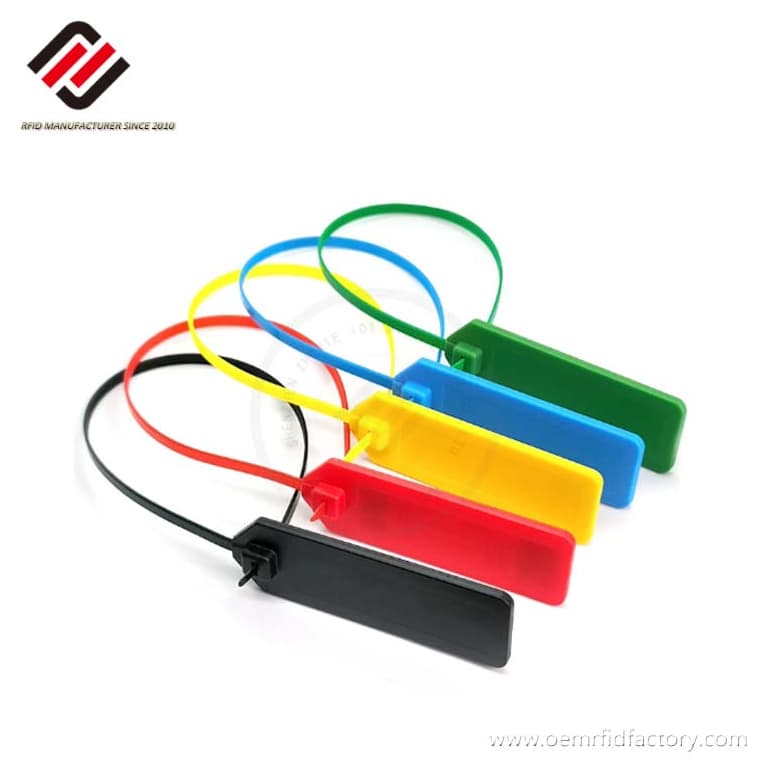
Vous pouvez choisir entre des serre-câbles RFID réutilisables et à usage unique. Les étiquettes réutilisables peuvent être retirées et réutilisées. Vous pouvez les utiliser pour suivre des articles qui changent souvent. Les étiquettes à usage unique se verrouillent en place et se cassent si vous essayez de les retirer. Vous pouvez utiliser ces étiquettes pour un suivi sécurisé des actifs ou le contrôle des stocks. Les étiquettes à usage unique aident à prévenir la falsification et les pertes.
Fonctionnalités et avantages
Portée de lecture et performances
Vous devez tenir compte de la portée de lecture et des performances lorsque vous choisissez un serre-câbles RFID. Les étiquettes RFID UHF offrent la plus grande portée de lecture. Vous pouvez scanner de nombreuses étiquettes à la fois avec l'UHF. Cela vous aide dans les grands entrepôts ou les zones extérieures. Les étiquettes LF et HF ont une portée plus courte, mais fonctionnent bien dans les endroits avec du métal ou de l'eau. Vous obtenez de bonnes performances avec chaque type, mais les étiquettes RFID UHF se distinguent par leur vitesse et leur distance. De bonnes performances vous permettent de gagner du temps et de réduire les erreurs.
Durabilité et résistance environnementale
La durabilité est l'une des principales caractéristiques à vérifier. Un serre-câbles RFID à haute durabilité peut résister à la pluie, à la poussière et à la chaleur. Certaines étiquettes ont des revêtements étanches ou des coques en plastique résistantes. Vous pouvez utiliser ces étiquettes dans des environnements difficiles comme les chantiers de construction ou les fermes. Les étiquettes RFID UHF ont souvent des indices IP élevés pour une protection supplémentaire. Une bonne durabilité signifie que vos étiquettes durent plus longtemps et continuent de fonctionner dans des conditions difficiles.
Sécurité et détection de sabotage
La sécurité est importante lorsque vous suivez des articles de valeur. Certains serre-câbles RFID disposent d'une détection de sabotage. Si quelqu'un essaie de retirer l'étiquette, vous recevez une alerte. Cette fonctionnalité vous aide à prévenir le vol ou la perte. Les étiquettes RFID HF et UHF peuvent également utiliser le chiffrement pour plus de sécurité. Vous pouvez faire confiance à ces étiquettes pour protéger vos actifs.
Personnalisation et options de matériaux
Vous pouvez choisir un serre-câbles RFID personnalisable pour répondre à vos besoins. Vous pouvez choisir le couleur, taille, ou même imprimer votre logo sur l'étiquette. Certaines étiquettes utilisent des matériaux spéciaux pour plus de résistance ou de flexibilité. Vous pouvez demander des étiquettes qui fonctionnent à haute température ou par temps froid. La personnalisation vous permet d'adapter l'étiquette à votre travail et à votre environnement.
Coût et adéquation à l’application
Vous devez équilibrer le coût et les performances. Les étiquettes RFID UHF coûtent plus cher, mais offrent de meilleures performances pour les grandes opérations. Les étiquettes LF et HF coûtent moins cher et conviennent bien aux petites zones ou aux usages spécifiques. Vous devez adapter l’étiquette à votre budget et à vos besoins. Pensez à la durée pendant laquelle vous avez besoin que l’étiquette dure et à l’endroit où vous l’utiliserez.
Analyse comparative
Scénarios d’application
Vous pouvez utiliser des étiquettes RFID à collier de serrage de nombreuses façons. En logistique, vous placez des étiquettes sur des colis ou des palettes. Cela vous aide à compter les articles plus rapidement et à mieux les suivre. Dans les hôpitaux, vous utilisez des étiquettes pour retrouver le matériel médical. En agriculture, vous utilisez des étiquettes pour surveiller les animaux. Chaque tâche nécessite des fonctionnalités d’étiquette différentes. Vous devez choisir la bonne étiquette pour le lieu et la tâche. Pour les travaux en extérieur, vous avez besoin d’étiquettes robustes. Pour un suivi sécurisé, vous utilisez des étiquettes de détection de sabotage. Vous obtenez de meilleurs résultats lorsque vous choisissez les étiquettes adaptées à chaque tâche.
Différences de fréquence et de performance
Vous constatez de grandes différences dans le fonctionnement des étiquettes selon les fréquences. Les étiquettes LF sont efficaces à proximité du métal et de l’eau. Vous les utilisez pour le suivi à courte distance. Les étiquettes HF transmettent les données plus rapidement. Vous les utilisez pour des usages sécurisés comme les systèmes de paiement. Les étiquettes UHF peuvent être lues à grande distance. Vous pouvez scanner de nombreuses étiquettes à la fois dans de grands entrepôts. Vous devez vérifier le fonctionnement de chaque étiquette pour votre usage. Vous obtenez un meilleur suivi en choisissant la bonne fréquence.
| Fréquence | Portée de lecture | Performance | Meilleures applications |
| LF | Jusqu’à 10 cm | Fiable à proximité du métal/de l’eau | Identification animale, contrôle d’accès |
| HF | Jusqu’à 1 m | Rapide, sécurisé | Bibliothèques, hôpitaux |
| UHF | Jusqu’à 10 m | Lecture en masse, longue portée | Logistique, chaîne d’approvisionnement |
Durabilité et durée de vie
La durabilité est importante pour les environnements difficiles. Vous avez besoin d’étiquettes capables de résister à l’eau, à la poussière et à la chaleur. Des étiquettes robustes durent plus longtemps et fonctionnent mieux dans des conditions difficiles. Vous utilisez des étiquettes étanches pour les travaux en extérieur. Vous devez vérifier la robustesse de chaque étiquette avant de l’utiliser. Vous obtenez une durée d’utilisation plus longue et de meilleurs résultats avec des étiquettes solides. Cela vous aide à économiser de l’argent et à protéger vos étiquettes.
Aperçu coûts-avantages
Vous devez réfléchir au prix et à la performance des étiquettes. UHF tags coûtent plus cher mais fonctionnent mieux dans les grandes zones. Les étiquettes LF et HF coûtent moins cher et conviennent aux petites applications. Vous examinez les principales caractéristiques pour voir si elles correspondent à votre budget. Vous obtenez la meilleure offre lorsque vous choisissez des étiquettes adaptées à votre tâche. Cela vous aide à mieux suivre les choses et à économiser de l’argent sur le long terme.
Bonnes pratiques pour la sélection des étiquettes RFID à collier de serrage
Choisir la bonne étiquette RFID à collier de serrage
Vous devez examiner votre application avant de sélectionner des étiquettes RFID à collier de serrage. Commencez par vérifier l’environnement. Si vous travaillez en logistique, vous avez besoin d’étiquettes avec de longues portées de lecture et de bonnes performances. Pour un suivi en extérieur, choisissez des étiquettes étanches. Vous devez adapter l’étiquette à vos besoins. Examinez la bande de fréquence. Les étiquettes LF fonctionnent bien à proximité du métal. Les étiquettes HF offrent des données sécurisées. Les étiquettes UHF permettent de scanner rapidement de nombreux articles. Faites une liste de vos exigences. Comparez les avantages de chaque étiquette. Vous obtenez de meilleurs résultats lorsque vous choisissez des étiquettes adaptées à vos applications.
Surmonter les défis courants
Vous pouvez rencontrer des problèmes lors de la sélection d’étiquettes RFID à collier de serrage. Parfois, les étiquettes ne fonctionnent pas bien à proximité du métal ou de l’eau. Vous pouvez résoudre cela en choisissant des étiquettes LF. Si vous avez besoin de hautes performances, vérifiez la durabilité de l’étiquette. Certaines étiquettes se cassent facilement dans des environnements difficiles. Choisissez des étiquettes robustes pour les tâches exigeantes. Vous pouvez vous inquiéter de la sécurité. Les étiquettes de détection de sabotage aident à protéger les actifs. Vous pouvez demander conseil aux fournisseurs. Assurez-vous de tester les étiquettes avant de les utiliser dans des applications réelles.
FAQ
Quel est le principal avantage d’utiliser des étiquettes RFID à collier de serrage ?
Vous pouvez suivre les actifs rapidement et avec précision. Les étiquettes RFID à collier de serrage vous aident à gérer les stocks et à réduire les erreurs. Vous n’avez pas besoin de voir l’étiquette pour la scanner. Cela vous fait gagner du temps et améliore votre flux de travail.
Peut-on utiliser des étiquettes RFID à collier de serrage en extérieur ?
Vous pouvez utiliser des étiquettes RFID à collier de serrage robustes et étanches à l’extérieur. Ces étiquettes résistent à la pluie, à la poussière et à la chaleur. Vous obtenez des performances fiables dans des environnements difficiles. Vérifiez toujours l’indice IP de l’étiquette avant de l’utiliser en extérieur.
Comment choisir la bonne étiquette RFID à collier de serrage ?
Vous devez analyser vos besoins. Vérifiez la bande de fréquence, la durabilité et les fonctionnalités de sécurité. Si vous avez besoin d’une fixation facile, vous pouvez utiliser une étiquette RFID autocollante. Adaptez l’étiquette à votre environnement et à votre application pour de meilleurs résultats.
Les étiquettes RFID à collier de serrage sont-elles réutilisables ?
Vous pouvez trouver des étiquettes RFID à collier de serrage réutilisables. Ces étiquettes peuvent être retirées et réutilisées. Les étiquettes à usage unique se cassent lors du retrait. Choisissez le type qui correspond à vos besoins de suivi.
Les étiquettes RFID à collier de serrage fonctionnent-elles près du métal ou de l’eau ?
Vous pouvez utiliser des étiquettes RFID LF à collier de serrage près du métal ou de l’eau. Ces étiquettes offrent des performances fiables dans des conditions difficiles. Testez toujours l’étiquette avant un déploiement complet pour vous assurer qu’elle fonctionne pour votre application.
No. 225 , 2F , Hombo innovation Technology Industrial park ,Qingning Rd .Longhua district ,
E-mail : info@zjiotech.com
Lisa principale : jimmy@zjiotech.com
(Services à la clientèle 24 heures sur 24)
Téléphoner : +86(0)755 21013852


 français