
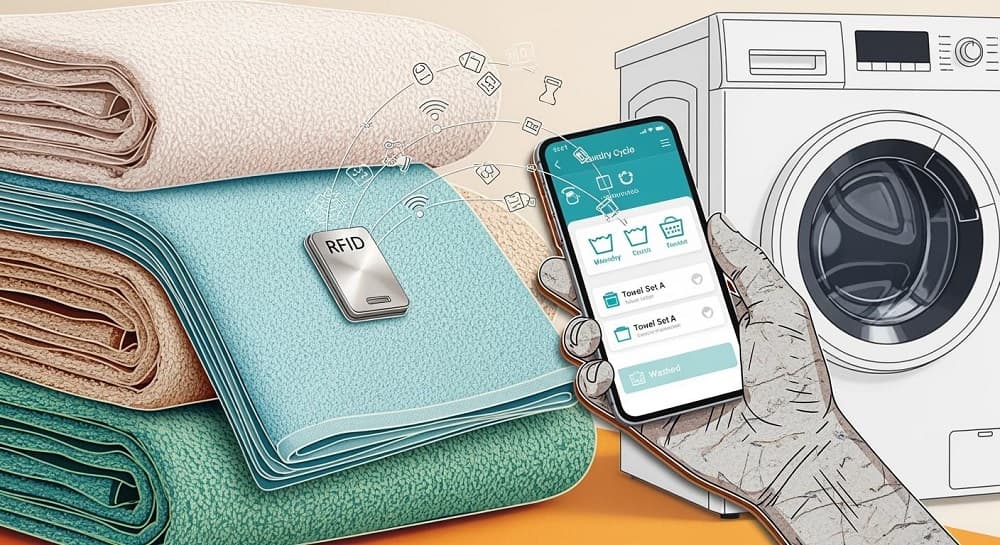
Vous observez une croissance rapide du marché de l’identification par radiofréquence pour la blanchisserie en 2026. Des secteurs tels que les blanchisseries industrielles et le secteur de la santé s’appuient désormais sur des avancées comme les « étiquettes RFID pour le linge » de SHENZHEN ZHIJIE IOT APPLICATION CO.LTD. Ce « Nylon Textile UHF Laundry Tag » offre durabilité, efficacité et rentabilité. Vous bénéficiez d’une gestion des stocks en temps réel, d’un contrôle précis des pertes et de processus rationalisés. Avec le « Wholesale Price RFID UHF Laundry Tag », vous obtenez un avantage concurrentiel et une amélioration opérationnelle dans une industrie en évolution. étiquettes RFID pour le linge de SHENZHEN ZHIJIE IOT APPLICATION CO.LTD.Nylon Textile UHF Laundry Tag offre durabilité, efficacité et rentabilité.Avec le , vous obtenez un avantage concurrentiel et une amélioration opérationnelle dans une industrie en évolution.
Les étiquettes RFID pour le linge transforment l’industrie de la blanchisserie en fournissant une gestion des stocks en temps réel et en réduisant le travail manuel.
Les taux d’adoption de la technologie RFID augmentent dans des secteurs comme la santé et l’hôtellerie, améliorant l’efficacité opérationnelle.
Ces étiquettes automatisent les processus, entraînant des économies de coûts importantes et une meilleure précision du suivi des stocks.
La conception durable garantit que les étiquettes RFID résistent aux environnements de blanchisserie difficiles et conservent leur fonctionnalité après de nombreux cycles de lavage.
Les entreprises peuvent s’attendre à un retour sur investissement en 12 à 18 mois grâce à la réduction des pertes de linge et des coûts de main-d’œuvre.
Les options de personnalisation permettent aux entreprises d’adapter les étiquettes RFID à leurs besoins spécifiques, renforçant la reconnaissance de la marque et l’efficacité opérationnelle.
L’intégration de l’IoT avec la technologie RFID améliore la traçabilité et la gestion des stocks, stimulant une adoption accrue dans l’industrie.
Les tendances futures indiquent une croissance continue du marché RFID, rendant essentiel pour les entreprises d’adopter ces technologies tôt pour un avantage concurrentiel.
Vous observez une expansion rapide du marché de l’identification par radiofréquence dans l’industrie de la blanchisserie. Les étiquettes RFID pour le linge dominent désormais les applications à grand volume. Vous constatez que les blanchisseries commerciales et les établissements de santé adoptent ces étiquettes à des taux sans précédent. Les performances de pointe du marché stimulent cette croissance. Vous bénéficiez de performances de premier ordre avec les étiquettes RFID pour le linge, qui fournissent des solutions fiables de suivi des stocks dans des environnements de blanchisserie à grand volume. Vous profitez d’une gestion des stocks en temps réel, qui transforme la visibilité des actifs et l’efficacité de la gestion.
Vous observez les blanchisseries industrielles, l’hôtellerie et le secteur de la santé comme les secteurs leaders pour les RFID laundry tag. Les hôpitaux exigent un suivi précis du linge et des uniformes. Les hôtels utilisent des étiquettes pour gérer de grands volumes de serviettes et de literie. Les opérations de blanchisserie commerciale s’appuient sur les étiquettes RFID pour le linge afin de rationaliser le tri et réduire les pertes. Vous constatez que ces secteurs investissent dans la technologie RFID pour améliorer la gestion et réduire le travail manuel. Les applications à grand volume bénéficient le plus des étiquettes RFID pour le linge, qui assurent un suivi précis et une gestion efficace.
Vous améliorez les opérations en adoptant les étiquettes RFID pour le linge. Ces étiquettes automatisent les processus et réduisent les erreurs. Vous réalisez des économies et améliorez l’efficacité de la gestion.
Vous gagnez en efficacité grâce aux étiquettes RFID pour le linge. Ces étiquettes automatisent la gestion des stocks et réduisent le tri manuel. Vous minimisez les coûts de main-d’œuvre et les erreurs. Vous suivez les actifs en temps réel, ce qui améliore la gestion et réduit les pertes. Vous constatez que les opérations de blanchisserie deviennent plus rapides et plus précises. Les étiquettes RFID pour le linge offrent des performances de premier ordre pour les applications à grand volume.
Vous automatisez les processus de blanchisserie avec les étiquettes RFID pour le linge. Ces étiquettes s’intègrent aux systèmes de gestion et fournissent des données en temps réel. Vous éliminez le suivi manuel et améliorez la visibilité des actifs. Vous utilisez les étiquettes RFID pour le linge afin de rationaliser le tri et le lavage. Vous vous appuyez sur ces étiquettes pour garantir une gestion précise des stocks. L’automatisation augmente la productivité et réduit les coûts opérationnels.
Vous réalisez des économies en utilisant les étiquettes RFID pour le linge. Ces étiquettes réduisent les coûts de main-d’œuvre et minimisent les pertes. Vous évitez les erreurs coûteuses dans la gestion des stocks. Vous investissez dans les étiquettes RFID pour le linge afin d’améliorer le suivi des actifs et de réduire les coûts de remplacement. Vous observez un fort retour sur investissement dans les opérations de blanchisserie commerciale.
|
Facteur |
Description |
|---|---|
|
Efficacité opérationnelle |
Les étiquettes RFID automatisent le suivi, réduisant les coûts de main-d’œuvre et minimisant les erreurs de gestion des stocks. |
|
Conformité réglementaire |
Des réglementations strictes dans des secteurs comme la santé nécessitent un suivi précis, que la technologie RFID fournit. |
|
Avancées technologiques |
Les innovations dans la technologie RFID améliorent la polyvalence et la rentabilité des étiquettes pour le linge. |
|
Visibilité des actifs |
La demande croissante de données en temps réel sur l’emplacement et l’utilisation des actifs stimule l’adoption de la RFID. |
Vous considérez la conformité réglementaire comme un moteur clé dans le secteur de la santé. Vous vous appuyez sur les avancées technologiques pour améliorer la durabilité et la performance des étiquettes. Vous exigez une visibilité des actifs pour la gestion des stocks en temps réel. Les étiquettes RFID pour le linge répondent à ces besoins et offrent des performances de pointe sur le marché.
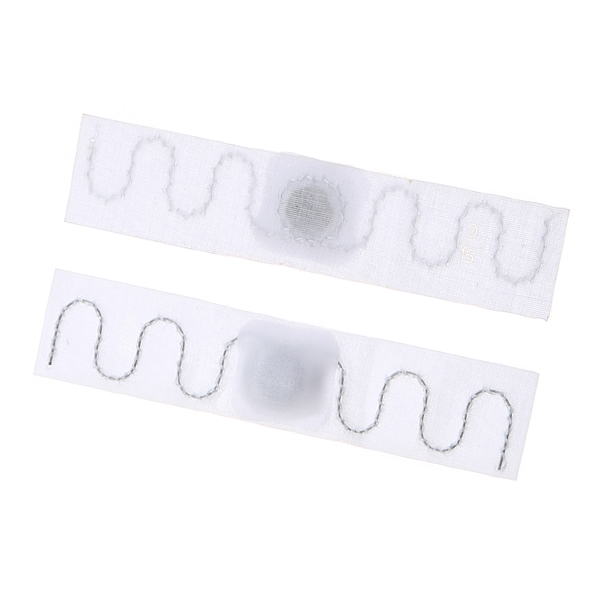
Vous utilisez des étiquettes capables de résister aux environnements de blanchisserie les plus difficiles. Les étiquettes RFID pour le linge de SHENZHEN ZHIJIE IOT APPLICATION CO.LTD utilisent un matériau textile en nylon haute densité. Vous bénéficiez d’étiquettes résistantes aux températures élevées et aux produits chimiques. Vous constatez que ces étiquettes conservent leur intégrité après de nombreux cycles de lavage et de séchage. Vous faites confiance à des étiquettes conformes au protocole ISO/IEC 18000-6C, garantissant les normes de l’industrie.
|
Caractéristique |
Description |
|---|---|
|
Haute sensibilité |
Les étiquettes ont une haute sensibilité, permettant un suivi efficace dans divers environnements. |
|
Longue distance de lecture |
Capables d’être lues jusqu’à 6 mètres avec un équipement approprié. |
|
Durabilité |
Conçues pour résister à des températures élevées (jusqu’à 200 °C) et à l’exposition chimique. |
|
Conformité |
Conformes au protocole ISO/IEC 18000-6C, garantissant le respect des normes industrielles. |
|
Options de personnalisation |
Propose des options de personnalisation telles que des numéros de série gravés au laser, des codes-barres et des QR codes. |
|
Applications |
Convient à la gestion du linge d’hôtel et au suivi des textiles dans les services de blanchisserie. |
Vous avez besoin d’étiquettes capables de survivre à des centaines de cycles de lavage. Ces étiquettes de blanchisserie RFID résistent à plus de 200 cycles, y compris l’exposition à une forte chaleur, à la pression de l’eau et aux produits chimiques. Vous choisissez des étiquettes avec des niveaux de durabilité élevés afin de garantir leur bon fonctionnement tout au long du cycle de vie des textiles. Vous évitez les remplacements fréquents et maintenez un suivi cohérent.
Les étiquettes résistent à de nombreux cycles de lavage et de séchage.
Les étiquettes résistent à la chaleur élevée, à la pression de l’eau et aux produits chimiques.
Les étiquettes restent fonctionnelles pendant tout le cycle de vie du textile.
Vous améliorez la précision du suivi avec des étiquettes de blanchisserie RFID. Vous réduisez les taux de perte de 10–15 % à moins de 3 %. Vous avez besoin de moins de trieurs par équipe, passant de 2 à 8 à seulement 1 à 2 grâce à l’automatisation. Vous passez des scans manuels de codes-barres à des lectures RFID en masse. Vous générez des factures détaillées et suivez les cycles de vie des vêtements. Vous résolvez les litiges clients avec un support basé sur les données.
|
Métrique |
Avant RFID |
Avec RFID |
|---|---|---|
|
Taux de perte |
10–15% |
|
|
Trieurs requis |
2–8 par équipe |
1–2 avec automatisation |
|
Méthode de numérisation |
Scans manuels de codes-barres |
Lectures RFID en masse |
|
Méthode de facturation |
Estimée |
Factures détaillées |
|
Suivi du cycle de vie des vêtements |
Inconnu |
Comptage des lavages et suivi de mise au rebut |
|
Support client |
Réactif |
Résolution des litiges basée sur les données |
|
Conformité |
Exposition |
Dossiers prêts pour audit |
Vous optimisez la gestion des stocks avec des étiquettes de blanchisserie RFID. Vous suivez les articles en temps réel et évitez les erreurs d’aiguillage et les pertes. Vous vérifiez rapidement les articles, réduisant les erreurs de tri et améliorant la visibilité des stocks. Vous automatisez les tâches, augmentant la productivité et réduisant les coûts opérationnels.
|
Avantage |
Description |
|---|---|
|
Lavage et traitement optimisés |
Les étiquettes RFID assurent un suivi précis des articles lors des cycles de lavage, évitant les erreurs d’aiguillage et les pertes. |
|
Suivi en temps réel et gestion des stocks |
La RFID permet une vérification rapide des articles, réduisant les erreurs de tri et améliorant la visibilité des stocks. |
|
Efficacité et productivité accrues |
L’automatisation des tâches entraîne une augmentation de la productivité et une réduction des coûts opérationnels. |
La technologie RFID peut réduire les coûts de gestion des stocks jusqu’à 25 %.
Vous récupérez les coûts initiaux en 12 à 18 mois grâce à une précision accrue et à la réduction des heures de travail.
Vous constatez une augmentation de 30 % de la visibilité des stocks.
Vous obtenez un fort retour sur investissement avec des étiquettes de blanchisserie RFID. Vous réalisez un retour en 12 à 18 mois. Vous réduisez les pertes de linge de 20 à 40 %. Vous réduisez le travail de comptage manuel de 70 à 90 %. Vous prolongez la durée de vie des textiles de 15 à 25 %. Un hôpital de 500 lits peut économiser entre 200 000 $ et 400 000 $ par an.
Retour sur investissement réalisé en 12 à 18 mois.
Pertes de linge réduites jusqu’à 40 %.
Travail manuel réduit jusqu’à 90 %.
Durée de vie des textiles prolongée jusqu’à 25 %.
Économies annuelles significatives pour les grandes installations.
Vous personnalisez les étiquettes pour répondre à vos besoins opérationnels. Vous imprimez des logos pour renforcer la reconnaissance de la marque. Vous encodez les puces pour un stockage de données spécifique. Vous choisissez des options de taille adaptées à différents articles. Vous adaptez les méthodes d’encodage et les données stockées aux besoins de votre entreprise.
|
Option de personnalisation |
Avantage |
|---|---|
|
Impression de logo |
Aligne les étiquettes avec l’identité de l’entreprise, renforçant la reconnaissance de la marque. |
|
Codage de puce |
Permet des besoins spécifiques de stockage de données, améliorant l’efficacité opérationnelle. |
|
Options de taille |
Garantit que les étiquettes s’adaptent à divers articles, répondant à différents besoins opérationnels. |
La flexibilité des formes convient à différents articles.
Les variations de taille prennent en charge diverses applications.
Méthodes de codage adaptées aux besoins de l’entreprise.
Stockage de données personnalisable selon les exigences opérationnelles.
Vous choisissez des étiquettes RFID pour blanchisserie pour des performances de lecture élevées, une durabilité et une flexibilité. Vous obtenez une étiquette de blanchisserie rentable qui transforme la gestion et le suivi de votre blanchisserie.
Vous voyez des entreprises de blanchisserie commerciale transformer leurs opérations en adoptant des étiquettes RFID pour blanchisserie. Par exemple, un service de blanchisserie à grande échelle a mis en œuvre ces étiquettes pour suivre des milliers d’uniformes et de draps chaque jour. L’entreprise a attaché des étiquettes à chaque article, permettant une identification automatisée tout au long du processus de lavage et de livraison. Cette approche a éliminé le comptage manuel et réduit les erreurs. Vous constatez que les étiquettes résistent à des environnements difficiles, notamment aux températures élevées, à l’immersion dans l’eau et aux produits chimiques, ce qui garantit des performances fiables sur des centaines de cycles.
|
Secteur |
Description de l’application |
Avantages |
|---|---|---|
|
Commerce de détail |
Suivi des vêtements de l’entrepôt jusqu’au magasin |
Améliore la gestion des stocks et réduit le risque de vol |
|
Hôtellerie |
Gestion des uniformes, draps, serviettes et linge |
Améliore l’efficacité opérationnelle et la satisfaction des clients |
|
Santé |
Suivi des uniformes médicaux et des tenues de médecins |
Garantit un nettoyage approprié, l’hygiène et l’efficacité opérationnelle |
Vous bénéficiez d’une conception robuste et d’une production rentable, ce qui soutient une disponibilité en grand volume. Les étiquettes améliorent la classification des vêtements et l’utilisation des ressources, rendant votre opération de blanchisserie plus efficace.
Vous constatez des gains d’efficacité significatifs avec des étiquettes RFID pour blanchisserie. Le suivi automatisé garantit une identification précise des articles à chaque cycle de lavage, évitant les erreurs d’aiguillage et les pertes. Le suivi en temps réel réduit les inventaires de plusieurs heures à quelques minutes. L’automatisation entraîne une augmentation de 25 % de la productivité et une réduction de 30 % des coûts opérationnels.
|
Domaine d’amélioration |
Description |
|---|---|
|
Lavage et traitement optimisés |
Un suivi précis évite les erreurs d’aiguillage et les pertes |
|
Suivi et inventaire en temps réel |
La vérification rapide réduit les inventaires de plusieurs heures à quelques minutes |
|
Efficacité et productivité améliorées |
L’automatisation augmente la productivité de 25 % et réduit les coûts de 30 % |
Vous constatez que votre personnel passe moins de temps sur des tâches manuelles et plus de temps sur des activités à forte valeur ajoutée. Les étiquettes vous aident à maintenir des registres précis et à améliorer l’ensemble du flux de travail.
Vous gérez plus efficacement le suivi du linge dans les secteurs de l’hôtellerie et de la santé grâce aux étiquettes RFID pour blanchisserie. Chaque article de linge reçoit un identifiant RFID unique, ce qui vous permet de surveiller la stérilisation et de garantir que seuls les articles entièrement nettoyés sont remis en service. Ce processus renforce le contrôle des infections et soutient les normes d’hygiène. Dans les hôtels, vous réduisez les pertes annuelles de linge, qui peuvent atteindre 20 à 30 % et coûter des dizaines de milliers de dollars pour un établissement de taille moyenne. Les étiquettes conservent leurs performances malgré des cycles de lavage répétés, assurant une fiabilité à long terme.
Les solutions RAIN RFID permettent de gagner du temps et de réduire la main-d’œuvre.
Chaque article de linge reçoit un identifiant RFID unique pour le suivi de la stérilisation.
Les étiquettes restent durables et fiables à travers de nombreux cycles de lavage.
Les hôtels constatent une réduction significative des pertes de linge et une meilleure responsabilisation.
Vous améliorez la qualité du service en mettant en œuvre des étiquettes RFID pour blanchisserie. La visibilité en temps réel de l’inventaire du linge vous permet de répondre rapidement aux pénuries ou aux excédents. L’automatisation fournit des pistes d’audit continues, vous aidant à appliquer les protocoles de stérilisation et à réduire les pertes. Vous obtenez une réduction de 25 % des pertes de linge et une amélioration de 40 % de la précision des stocks.
Les solutions RAIN RFID permettent de gagner du temps et de réduire la main-d’œuvre.
L’automatisation réduit les pertes et améliore la visibilité des cycles de blanchisserie.
Les pistes d’audit continues soutiennent la conformité et l’efficacité opérationnelle.
Les hôpitaux et les hôtels bénéficient d’une meilleure hygiène, sécurité et satisfaction des clients.
Vous offrez un meilleur service aux clients et aux patients, tout en maintenant des normes élevées de propreté et d’efficacité.
Vous rencontrez des défis techniques lors de la mise en œuvre des étiquettes RFID pour blanchisserie dans des environnements exigeants. L’industrie de la blanchisserie exige des étiquettes capables de résister à des expositions répétées aux températures élevées, à l’eau et aux produits chimiques. Vous avez besoin d’une expertise avancée pour intégrer les modules de puce, les conceptions d’antennes et les adhésifs. L’innovation continue garantit que les étiquettes maintiennent leurs performances et leur durabilité. Par exemple, vous pouvez remarquer des interférences de signal lorsque les étiquettes sont placées sur des tissus épais ou près de surfaces métalliques. Ces interférences peuvent provoquer des erreurs de lecture et perturber le suivi des stocks. Vous devez effectuer des tests rigoureux et un contrôle qualité pour garantir la fiabilité des étiquettes dans des environnements industriels difficiles.
Vous avez besoin de compétences techniques avancées pour l’intégration des puces et des antennes.
Des interférences de signal provenant de tissus épais ou de surfaces métalliques peuvent affecter les performances des étiquettes.
Des tests rigoureux et un contrôle qualité sont essentiels pour un fonctionnement fiable.
Vous rencontrez des problèmes de compatibilité lors de l’intégration des étiquettes RFID pour blanchisserie avec les systèmes existants. De nombreuses entreprises utilisent des logiciels ou du matériel anciens qui peuvent ne pas prendre en charge les nouvelles technologies RFID. Le manque de normes uniformes complique les efforts d’intégration. Vous pouvez rencontrer des défis de gestion des données si les systèmes ne communiquent pas de manière fluide. Atteindre une précision des données de 100 % reste une préoccupation, en particulier pour les transactions internationales. Vous devez vous assurer que votre solution RFID fonctionne avec votre infrastructure actuelle afin d’éviter les inefficacités.
|
Type de défi |
Description |
|---|---|
|
Normalisation |
L'absence de normes uniformes pour les étiquettes RFID complique les efforts d'intégration. |
|
Compatibilité |
Les systèmes RFID peuvent ne pas fonctionner de manière fluide avec les technologies existantes, entraînant des problèmes d'intégration. |
|
Exactitude des données |
Atteindre une exactitude des données de 100 % reste une préoccupation, en particulier dans les transactions internationales. |
Vous tenez compte des coûts initiaux lors de l'adoption de la technologie des étiquettes RFID pour la blanchisserie. Chaque étiquette coûte entre 0,10 $ et 0,50 $. Vous investissez également dans des lecteurs et des logiciels pour soutenir le système. Ces dépenses initiales peuvent sembler importantes, en particulier pour les opérations à grande échelle. Cependant, vous récupérez ces coûts en 12 à 18 mois grâce à une meilleure exactitude et à une réduction des heures de travail. Par exemple, une blanchisserie commerciale qui traite des milliers d'articles par jour peut rapidement réaliser des économies grâce à l'automatisation et à la réduction des pertes.
Les étiquettes RFID coûtent entre 0,10 $ et 0,50 $ chacune.
Les dépenses supplémentaires incluent des lecteurs et des logiciels.
Vous récupérez les coûts initiaux en 12 à 18 mois grâce aux améliorations opérationnelles.
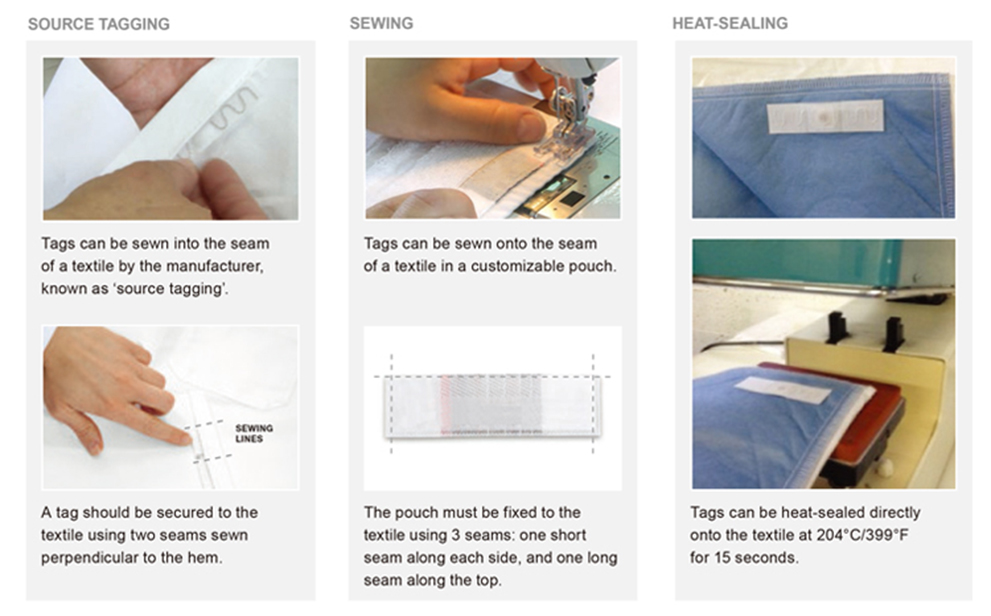
Vous devez former le personnel pour garantir la mise en œuvre réussie des étiquettes RFID pour la blanchisserie. Un positionnement correct sur les textiles garantit des performances optimales. Vous devez définir des paramètres de thermoscellage appropriés pour maintenir la durabilité des étiquettes. Les tests après installation vérifient que les étiquettes fonctionnent correctement. Une formation complète aide le personnel à éviter les erreurs et favorise une utilisation efficace du système. Une assistance à la configuration et à l'intégration facilite la transition pour votre équipe.
|
Exigence de formation |
Description |
|---|---|
|
Positionnement correct sur les textiles |
Garantit des performances optimales des étiquettes RFID. |
|
Paramètres de thermoscellage appropriés |
Essentiels pour la durabilité et la fonctionnalité des étiquettes. |
|
Tests après installation |
Vérifie que les étiquettes fonctionnent correctement. |
|
Procédures de formation du personnel |
Essentiel pour que le personnel utilise efficacement le système. |
Vous améliorez l'efficacité opérationnelle en investissant dans la formation du personnel et l'assistance à l'intégration. Vous minimisez les erreurs et maximisez les avantages de la technologie RFID dans vos opérations de blanchisserie.
Vous relevez ces défis en planifiant soigneusement et en faisant appel à une assistance d'experts. Vous garantissez que vos étiquettes RFID pour la blanchisserie offrent des performances fiables et transforment les opérations de votre secteur de la blanchisserie.
Vous observez une expansion rapide du marché des étiquettes RFID pour la blanchisserie. La demande croissante de suivi textile en temps réel et d'automatisation des stocks stimule cette croissance. Vous constatez que de plus en plus d'entreprises adoptent les étiquettes RFID pour la blanchisserie à mesure que les coûts diminuent et que la technologie devient accessible aux petites et moyennes entreprises. Les exigences réglementaires en matière d'hygiène et de traçabilité des actifs dans la santé et l'hôtellerie vous poussent à moderniser vos systèmes. Vous bénéficiez de l'expansion des services d'externalisation de blanchisserie commerciale et d’une attention accrue à la durabilité dans le secteur.
Vous constatez une adoption accrue des plateformes de gestion de blanchisserie intégrées à l’IoT.
Vous observez une réduction continue des coûts des étiquettes RFID.
Vous répondez à des exigences réglementaires croissantes en matière d’hygiène et de traçabilité.
Vous observez les étiquettes RFID pour la blanchisserie passer des projets pilotes à une mise en œuvre à grande échelle. Le marché mondial de la RFID devrait passer de 17,73 milliards de dollars américains en 2025 à 48,51 milliards de dollars américains d’ici 2034. Cette tendance reflète votre besoin d’efficacité et de transparence dans la gestion des stocks. Vous voyez le marché des systèmes de suivi des vêtements RFID atteindre 7,5 milliards de dollars américains d’ici 2030. L’intégration de l’IoT et de l’IA améliore l’efficacité opérationnelle et la transparence dans le commerce de détail et la santé. L’essor du commerce électronique et du commerce omnicanal augmente la demande pour des systèmes d’identification évolutifs et sans contact. Vous vous préparez à ce que les étiquettes RFID pour la blanchisserie deviennent courantes d’ici 2026.
Vous obtenez un avantage concurrentiel en adoptant tôt les étiquettes RFID pour la blanchisserie. Vous rationalisez les opérations et améliorez la visibilité des actifs.
Vous exploitez l’intégration de l’IoT pour améliorer la traçabilité et la gestion des stocks. L’accès aux données en temps réel réduit les écarts d’inventaire jusqu’à 30 %. Vous connectez les étiquettes RFID pour la blanchisserie à des plateformes intelligentes, obtenant une visibilité instantanée sur le mouvement et l’utilisation des textiles. Le marché mondial de la RFID devrait croître à un TCAC de 10,4 % de 2021 à 2026, soulignant l’importance croissante de ces technologies.
L’intégration de l’IoT améliore la traçabilité.
L’accès aux données en temps réel réduit les écarts.
Vous obtenez une visibilité instantanée sur les opérations de blanchisserie.
Vous bénéficiez des avancées dans la conception des étiquettes RFID qui améliorent la durabilité et la performance. Les fabricants utilisent des matériaux imperméables comme le polyester ou le polyuréthane pour résister aux dommages causés par l’eau et les détergents. Les étiquettes résistent aux températures élevées et aux contraintes mécaniques, garantissant des performances stables tout au long des cycles de lavage. La baisse des coûts des étiquettes RFID UHF stimule la croissance du marché de la blanchisserie. Vous constatez une adoption accrue dans l’hôtellerie et la santé à mesure que la valeur de la technologie RFID devient plus évidente.
|
Caractéristique |
Description |
|---|---|
|
Durabilité |
Les étiquettes résistent aux températures élevées, à l’exposition chimique et aux contraintes mécaniques. |
|
Matériaux imperméables |
Le polyester ou le polyuréthane résiste à l’eau et aux détergents. |
|
Résistance aux hautes températures |
Les étiquettes supportent des températures allant jusqu’à 90 °C ou plus pour des performances stables. |
Vous choisissez des étiquettes qui répondent à vos besoins opérationnels et garantissent une fiabilité à long terme. Vous voyez les étiquettes RFID pour la blanchisserie évoluer afin d’offrir une plus grande efficacité et des économies de coûts.
Vous gardez une longueur d’avance en adoptant des solutions innovantes d’étiquettes RFID pour la blanchisserie. Vous préparez votre entreprise aux futures exigences et aux normes du secteur.
Vous voyez les étiquettes RFID pour la blanchisserie à la pointe des tendances technologiques de la blanchisserie en 2026. Vous bénéficiez de la lecture en masse sans contact, qui améliore la visibilité des stocks et réduit le travail manuel. Le suivi automatisé et les mises à jour des données en temps réel vous aident à gérer les stocks efficacement et à minimiser les erreurs. Vous renforcez la responsabilité grâce à des pistes d’audit détaillées et à une maintenance proactive, ce qui soutient des économies de coûts à long terme. Si vous recherchez une solution durable, efficace et économique, envisagez les étiquettes RFID pour la blanchisserie de SHENZHEN ZHIJIE IOT APPLICATION CO.LTD pour vos besoins professionnels. Contactez-les pour une consultation personnalisée.
Vous utilisez une étiquette RFID pour la blanchisserie afin de suivre et de gérer les textiles dans les opérations de blanchisserie. L’étiquette contient une puce électronique et une antenne. Vous la fixez aux draps ou aux uniformes pour une identification automatisée lors du lavage, du tri et des processus d’inventaire.
Vous automatisez le suivi des articles grâce aux étiquettes de blanchisserie RFID. Par exemple, vous scannez des centaines de draps en quelques secondes au lieu de les compter à la main. Ce processus réduit la main-d’œuvre, accélère le tri et minimise les erreurs dans les blanchisseries très sollicitées.
Vous bénéficiez d’une grande durabilité. Ces étiquettes résistent à plus de 200 cycles de lavage, aux températures élevées et à l’exposition aux produits chimiques. Vous pouvez les utiliser dans des blanchisseries industrielles, des hôpitaux ou des hôtels sans vous soucier de remplacements fréquents.
Vous pouvez demander des tailles personnalisées, un marquage au laser ou du branding. Par exemple, vous ajoutez le logo de votre entreprise ou des codes uniques pour faciliter l’identification. Cette flexibilité vous aide à répondre à des besoins opérationnels spécifiques.
Vous avez besoin de lecteurs RFID et d’un logiciel compatible. Vous installez les lecteurs à des points clés, tels que les stations de tri ou les sorties de livraison. Le logiciel suit le mouvement de chaque article, vous donnant des données d’inventaire en temps réel.
Vous suivez chaque article en temps réel. Si une serviette ou un uniforme disparaît, vous identifiez rapidement le dernier emplacement connu. Cette visibilité vous aide à réduire les pertes et à éviter des coûts de remplacement inutiles.
Vous trouvez les étiquettes de blanchisserie RFID idéales pour les hôpitaux et les hôtels. Par exemple, vous suivez les cycles de stérilisation des draps hospitaliers ou surveillez l’utilisation des serviettes dans les hôtels. Cela garantit la conformité en matière d’hygiène et améliore la qualité du service.
Vous constatez généralement un retour sur investissement en 12 à 18 mois. Vous économisez de l’argent en réduisant la main-d’œuvre, en minimisant les pertes et en prolongeant la durée de vie des textiles. Par exemple, un grand hôtel peut économiser des milliers de dollars chaque année.
No. 225 , 2F , Hombo innovation Technology Industrial park ,Qingning Rd .Longhua district ,
E-mail : info@zjiotech.com
Lisa principale : jimmy@zjiotech.com
(Services à la clientèle 24 heures sur 24)
Téléphoner : +86(0)755 21013852


 français